


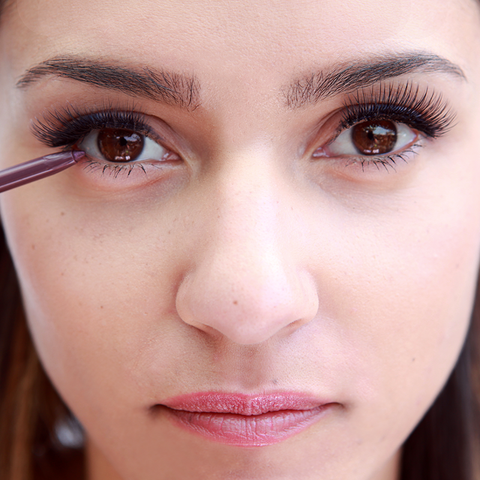
Some makeup techniques get all the attention: sharp wings, smoky shadows, high-impact color across the lid. Tightlining is the opposite. It’s the understated move makeup artists rely on when lashes need more presence, but a visible line across the lid would feel too heavy.
Instead of becoming the focal point, tightlining works behind the lashes, giving them depth and density so mascara looks richer and eyes appear more defined. The finish feels polished, modern, and incredibly wearable, which is why it’s a staple in professional kits and backstage beauty routines. The good news is that it’s just as approachable when you’re doing your own makeup.
Curious about how to tightline eyes? Let’s take a closer look at what tightlining involves, how it compares with other liner placements, and when it works best as part of your eye makeup.
What Does it Mean to Tightline Your Eyes?
Tightlining sounds technical, but the idea is simple. Instead of drawing eyeliner across your lid, the pigment sits right at the base of your lashes along the upper waterline. That placement fills the tiny spaces between lash roots, giving your lash line depth exactly where it naturally grows.
Because the liner sits beneath the lashes rather than above them, the effect feels incredibly natural. Lashes look thicker, mascara appears more intense, and your eyes gain definition without a visible line resting on the lid. For that reason, tightlining is often called “invisible eyeliner.” The impact is noticeable, even though the liner itself almost disappears.
Tighlining vs. Waterline Liner vs. Classic Top Liner
Eyeliner appears in several places around your eyes, and its placement changes the overall effect. Once you start noticing the different types of eyeliner available, it becomes clear how pencil, gel, and liquid formulas lend themselves to different approaches.
• Tightlining: This technique places liner along the upper waterline beneath your lashes, filling the tiny gaps between lash roots so lashes look fuller while the lid stays free of visible liner.
• Waterline liner: Liner along the lower inner rim of your eyes shifts the overall effect depending on the shade you choose, with lighter tones helping eyes appear brighter and deeper shades adding contrast.
• Classic top liner: Applied directly above the lashes on the lid, this is the liner placement most people picture first, ranging from soft definition to sharp wings and graphic shape.
How to Tightline Eyes Step-by-Step
Is tightlining hard to do? Not really. If you’re wondering how to tightline eyeliner, the trick is working right within your lash line, where even a light touch of eyeliner can make lashes appear fuller without adding a visible line above them. Tightlining focuses on that narrow space where lashes grow, adding depth that makes mascara look richer and eyes stand out a little more. When done well, the effect feels natural and almost invisible, subtly strengthening the entire lash line. When you apply eyeliner on the waterline, color along the inner rim adds another layer of depth around your eyes.
Step 1: Choose the Right Eyeliner
The type of eyeliner you reach for can make a real difference when tightlining. Pencils that feel too firm may drag along the delicate waterline, while very soft ones can move around more than you’d like.
A creamy pencil usually works best because it glides smoothly along the lash line and deposits color evenly. Waterproof textures are especially helpful here, helping color stay exactly where you place it throughout the day. Choosing a product that’s ophthalmologist-tested and designed for the waterline also helps keep the application comfortable.
Thrive Causemetics® waterproof eyeliner is a strong option for tightlining thanks to its smooth glide and ophthalmologist-tested formula that’s safe for the waterline. If you like pairing tightlining with a visible line above your lashes, a liquid eyeliner pen can add extra structure.
Step 2: Gently Lift the Lid
The way you position your eyes makes tightlining much easier. Tilt your head slightly upward while directing your gaze downward into a mirror. This angle reveals the base of your lashes and exposes the upper waterline more clearly.
If the lash roots are still difficult to reach, gently lifting the outer corner of your lid can improve visibility. Keep the motion soft and minimal so the delicate skin around your eyes remains comfortable throughout application.
Step 3: Apply Along the Upper Waterline
Place the tip of your eyeliner pencil directly beneath your lashes along the upper waterline. Rather than drawing a continuous line, move the pencil in small strokes so pigment fills the spaces between lash roots.
Working gradually across the lash line gives you better control and keeps pigment concentrated at the base of your lashes. Beginning near the outer corner and continuing inward often helps maintain a steady placement.
Step 4: Let It Set
Once the liner is in place, blink normally and give it a moment to settle. A short pause keeps the color exactly where you applied it before moving on with the rest of your eye makeup.
Mascara is what really pulls the whole look together. As it lifts and separates each hair, the extra depth created by tightlining becomes much more noticeable at the base of the lashes. Thrive Causemetics® tubing mascara works particularly well here because it wraps each lash individually, adding length while keeping the base of your lashes clean.
At this point, your lashes should already look fuller and more defined. From here, you can leave the look as-is, or add a touch of liner above the lashes if you’ve already mastered how to apply eyeliner, but want a little more drama.
Is Tightlining Safe for Your Eyes?
Yes, tightlining can be perfectly safe when you use products designed for the waterline and apply them with a gentle hand. Eyeliners made for this area are typically ophthalmologist-tested and formulated to glide smoothly along the inner rim without dragging on the delicate skin around your eyes.
A few simple habits can also help keep the process comfortable. Avoid sharing eye makeup, keep pencils freshly sharpened, and replace liners regularly so you’re always working with clean, well-performing products.
Troubleshooting Tightlining and Common Mistakes
Tightlining looks subtle, but precision matters. If the liner skips, smudges, or doesn’t sit quite where you want it, a few adjustments can help bring everything back on track.
If You Have Watery or Sensitive Eyes
Watery or sensitive eyes can make tightlining feel a little trickier, especially when blinking keeps interrupting the application process. Slowing things down and working in shorter sections helps the liner stay put.
• Work in short sections: Apply a small amount of liner at a time so your eyes can blink naturally between strokes.
• Pause when needed: A quick blink or two can help reset your eyes before continuing.
• Give liner a moment before mascara: Let the color settle briefly so it stays in place once you move on to the rest of your eye makeup.
If You Have Hooded Eyes or Monolids
Hooded eyes and monolids sometimes hide the base of your lashes, which is why tightlining may feel more precise than expected. Shifting your angle slightly helps reveal the lash roots more clearly.
• Try a gentle stamping motion: Press the pencil lightly into the base of your lashes instead of dragging it across the waterline.
• Lift slightly from your outer corner: A small lift reveals lash roots so you can clearly see where the liner belongs.
• Keep the line narrow: A thin line along the base of your lashes keeps the result natural once your eyes are open.
If You Have Sparse or No Visible Lashes
When lashes are lighter or more widely spaced, tightlining helps create the appearance of a fuller lash line without adding visible liner above it.
• Let your lash line guide the placement: Follow the natural shape of your eyes so the liner blends in seamlessly.
• Focus on the roots: Place the pencil right where each lash grows to add subtle density along the lash line.
• Stay within your eye shape: Keeping the liner inside your natural contours keeps the effect balanced and flattering.
Common Tightlining Mistakes and How to Fix Them
If tightlining isn’t looking the way you expected yet, a few small changes can usually bring things back on track.
• Drawing liner above the lashes: Tightlining belongs along the upper waterline, just beneath the lashes. Lifting slightly from your outer corner helps reveal that narrow strip, so the pencil reaches the right area.
• Using a pencil that smudges easily: A long-wear eyeliner made for the waterline helps the color stay in place after you apply it.
• Pressing too firmly: A softer approach lets the pencil glide more smoothly along the waterline.
Perfect Your Tightline With Confidence
Tightlining is one of those small makeup details that makes an immediate difference. By adding color right where your lashes grow, your eyes appear more defined, and mascara instantly looks richer. The effect brings subtle depth to the lash line without relying on heavy liner or dramatic shapes.
That kind of effortless, wear-anywhere makeup is exactly what Thrive Causemetics set out to create. The brand focuses on long-wear formulas that fit into everyday routines while supporting confident self-expression, and every purchase also helps fund its giving mission, supporting communities in need.
Ready to try it for yourself? Shop our best-selling waterproof eyeliner and see how tightlining can transform your eye makeup.
I wold love to order eyeliner & brow liner.. Do u have a phone number I can call to order by credit card? Can’t order by Internet.. Thank u so much!!
Leave a Comment